
Introduction
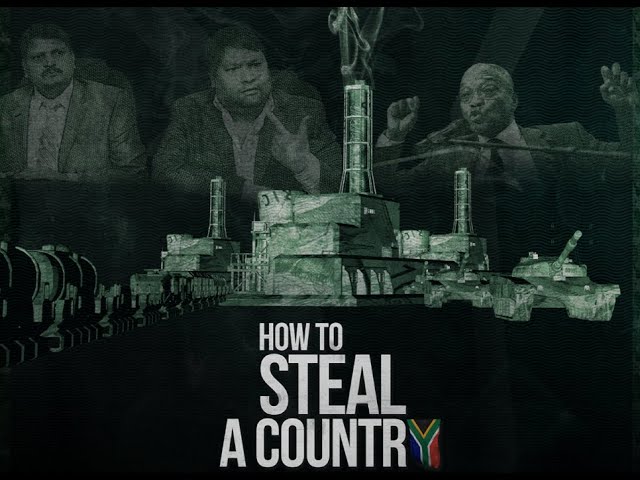
Corruption and political scandals have become a common theme in many countries. However, what is now being seen as the worst form of corruption is when a country itself is stolen. Stealing a country is defined as taking control of a nation with the help of external forces or through undemocratic means for one's own interests, often leading to poverty, violence, and injustice for the citizens. In this article, we will explore the various methods through which a country can be stolen and the impacts of such acts on the society.
The Methods of Stealing A Country
1. Rigged Elections
One of the common methods used to steal a country is through rigged elections. This involves manipulating the voting process by controlling the electoral officials, the votes cast, and/or the vote count. In such cases, the people's voice is silenced, and the will of the citizens is ignored, which can have disastrous effects on the country's economy and its people’s welfare.
2. Economic Manipulation
Another way to steal a country is through economic manipulation. Controlling a country's economy can allow an individual or a group to control the country itself. The theft of a country's resources, the manipulation of markets, and the monopolisation of industries and services can lead to poverty, unemployment, and inflation for the citizens.
3. Corruption
Corruption is another key method through which a country can be stolen. Corrupt leaders often use their power to enrich themselves at the expense of the citizens. The siphoning of public funds, the infiltration of the judiciary, and the control of the media can all lead to a climate where it becomes impossible to hold the corrupt leaders accountable.
4. Military Intervention
Military intervention is a common means by which a country can be stolen. Foreign powers often invade a country to take control of its resources or to install rulers sympathetic to their interests. This creates a destabilising environment and can lead to violence, civil war and destruction for the citizens.
The Impacts of Stealing A Country
1. Poverty and Inequality
When a country is stolen, the resources meant for the citizens are channelled towards the interests of the individual or group responsible for the theft. As a result, poverty and inequality become widespread, and the majority of the citizens are left without access to basic amenities like health care, education, and food.
2. Violence and Insecurity
The theft of a country is often accompanied by violence, arbitrary arrests and persecution of people who speak out against the regime. This leads to insecurity and fear among the citizens, as well as a sense of hopelessness and helplessness about the future of their country.
3. Reduced Democracy and Accountability
When a country is stolen, the supposed leaders often have little or no regard for democracy and accountability. The rule of law is often undermined, and the legal system is manipulated to suit the interests of the ruler. This makes it difficult for the citizens to hold the leaders accountable for their actions, which can lead to further corruption and oppressive regimes.
Conclusion
Stealing a country is a heinous act that robs the citizens of their future, their hopes, and their aspirations. The methods used to steal a country may vary, but the impacts are always the same—poverty, violence, and insecurity. It is important for all citizens to remain vigilant and to speak out against the stealing of their countries.
