
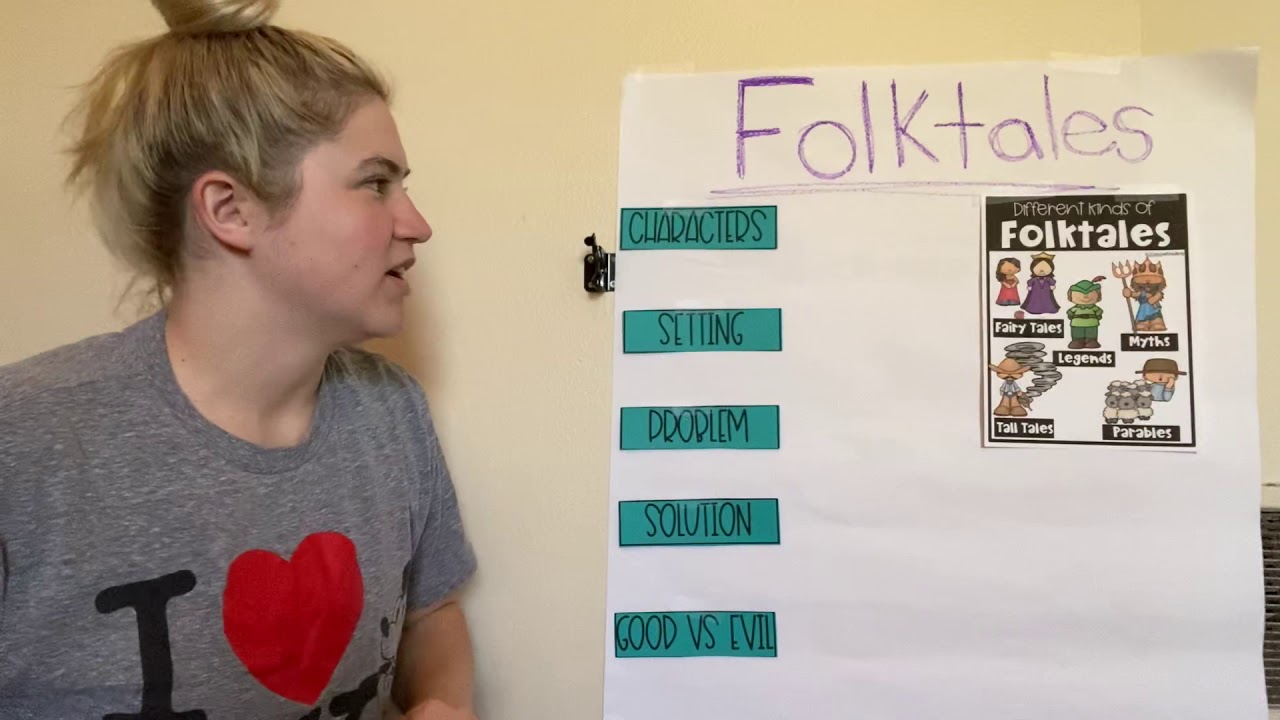
Writing a folktale is an opportunity to share a timeless story with generations to come. These tales often contain universal themes that anyone can relate to, no matter where they are from or what culture they belong to. Whether you're a first-time writer or an experienced author, anyone can learn how to craft a compelling and memorable folktale. In this article, we will look at the steps involved in writing a folktale.
Step 1: Choose Your Setting
The first step in writing a folktale is to decide where your story will take place. This could be a specific geographic location or a fictional world. Make sure your setting is consistent with the themes and tone of your story. Consider using characters and creatures that are familiar to your chosen location as this helps to make your folktale relatable to your audience.
Step 2: Create Your Characters
Now it's time to start creating your characters – the heroes, villains, and creatures who will make up your story. Remember, in a folktale, characters often represent universal concepts rather than realistic individuals.
The Hero
The hero is the protagonist of your tale, the person who goes on a quest or journey to achieve something. They are often brave, resourceful, and determined to succeed. Heroes usually embody virtues such as courage, honesty, and kindness.
The Villain
The villain is the antagonist of your tale, the person who opposes the hero and seeks to stop them from achieving their goal. They can be represented by supernatural creatures or be human characters. Villains can represent negative traits like greed, pride, and selfishness.
Other Characters
Consider adding secondary characters to your tale. They can be friends or family of the hero, mentors, or even other villains. You can use these characters to serve as a foil and contrast to the hero or add depth to your tale.
Step 3: Outline Your Story
Now that you have your characters and setting in place, it's time to start outlining your story. Think about what your hero wants, what obstacles they will encounter and what lessons they will learn along the way. Consider what moral or message you want to convey through your folktale. This will help you craft a powerful and memorable story.
Use Archetypes
A great way to create a memorable story is by using archetypes. Archetypes are recurring patterns, themes or symbols within myths and folktales that have a deep symbolic and psychological significance. Using archetypes in your story can make it more engaging and resonate with your audience.
Step 4: Write Your Folktale
Now that you have your outline, it's time to start writing your folktale. Remember to use simple, straightforward language, and aim for a clear and concise story. Avoid using overly complicated language or convoluted plots that can confuse your readers.
Use Imagery
Imagery is a powerful tool in a folktale. Use descriptive language to draw your readers into your story and create vivid images in their minds. Make use of metaphors and similes to create a deeper meaning in your tale.
Step 5: Revise and Edit Your Folktale
Once you have finished your story, take a break from it and come back later to revise and edit it. This allows you to see it from a fresh perspective and catch errors or inconsistencies. Focus on improving the flow and pacing of your story, and make sure your characters are consistent and believable.
In Conclusion
Writing a folktale is an opportunity to create a timeless story that can be shared for generations to come. By following these steps, you can craft a compelling folktale that engages and inspires your audience.
