
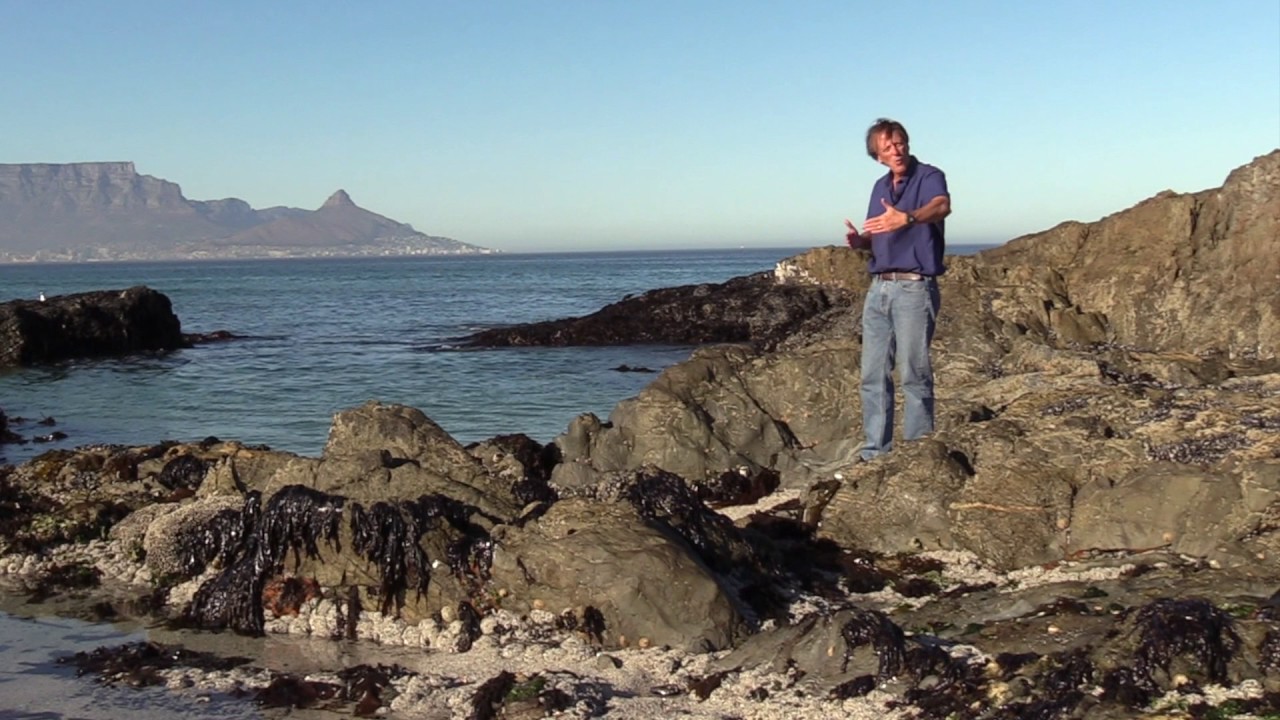
Table Mountain is one of South Africa's most iconic landmarks, located in Cape Town. It has been a popular attraction for locals and tourists alike. But have you ever wondered how this magnificent mountain came to be? In this article, we will explore the history and geology behind the formation of Table Mountain.
The Formation of Table Mountain
Table Mountain is estimated to be around 260 million years old, making it one of the oldest mountains in the world. The mountain was formed during a period of intense geological upheaval, known as the Cape Orogeny. This was a time when the African and South American plates collided, causing massive tectonic activity.
Over millions of years, the movement of the tectonic plates caused the layers of sandstone and granite to buckle and fold, resulting in the mountain's distinctive flat-topped shape. Erosion further shaped the mountain, resulting in the steep cliffs and rugged terrain we see today.
Geological Features
Table Mountain is made up of three main rock layers: the Cape Granite, Peninsula Formation Sandstone, and Table Mountain Sandstone. The Cape Granite forms the foundation of the mountain, while the sandstone layers sit on top.
The Table Mountain Sandstone layer is easily eroded, resulting in the formation of deep valleys and ravines. This layer also contains many caves, some of which have revealed ancient fossils and evidence of early human habitation.
Biodiversity
Table Mountain is home to an incredible array of flora and fauna, with over 2,200 plant species found on the mountain alone. The mountain's unique shape and elevation have created a diverse range of microclimates, providing habitats for a wide variety of plant and animal life.
One of the most iconic species found on Table Mountain is the Cape Floral Kingdom, which is one of the smallest and richest floral kingdoms in the world. The mountain also provides a vital habitat for many endangered animal species, such as the Table Mountain Ghost Frog and the Cape Dwarf Chameleon.
Tourism and Conservation
Table Mountain has become a major tourist attraction, with millions of visitors each year. The cable car, which takes visitors to the top of the mountain, has been in operation since 1929 and is popular with tourists and locals alike.
However, with the increase in tourism comes the risk of environmental damage. The Table Mountain National Park has implemented conservation measures to protect the mountain's fragile ecosystem from the impact of human activity.
- Guided hikes and walks are offered to visitors, with strict rules in place to protect the flora and fauna.
- Waste disposal and recycling facilities have been installed throughout the park.
- The use of motorized vehicles on the mountain is limited to designated roads and areas.
Conclusion
Table Mountain's formation is a story of millions of years of geological activity, resulting in one of South Africa's most iconic landmarks. Its unique shape, geological features, and biodiversity make it a must-visit for anyone traveling to Cape Town. However, we must also remember to respect and protect this fragile ecosystem for future generations to enjoy.
