
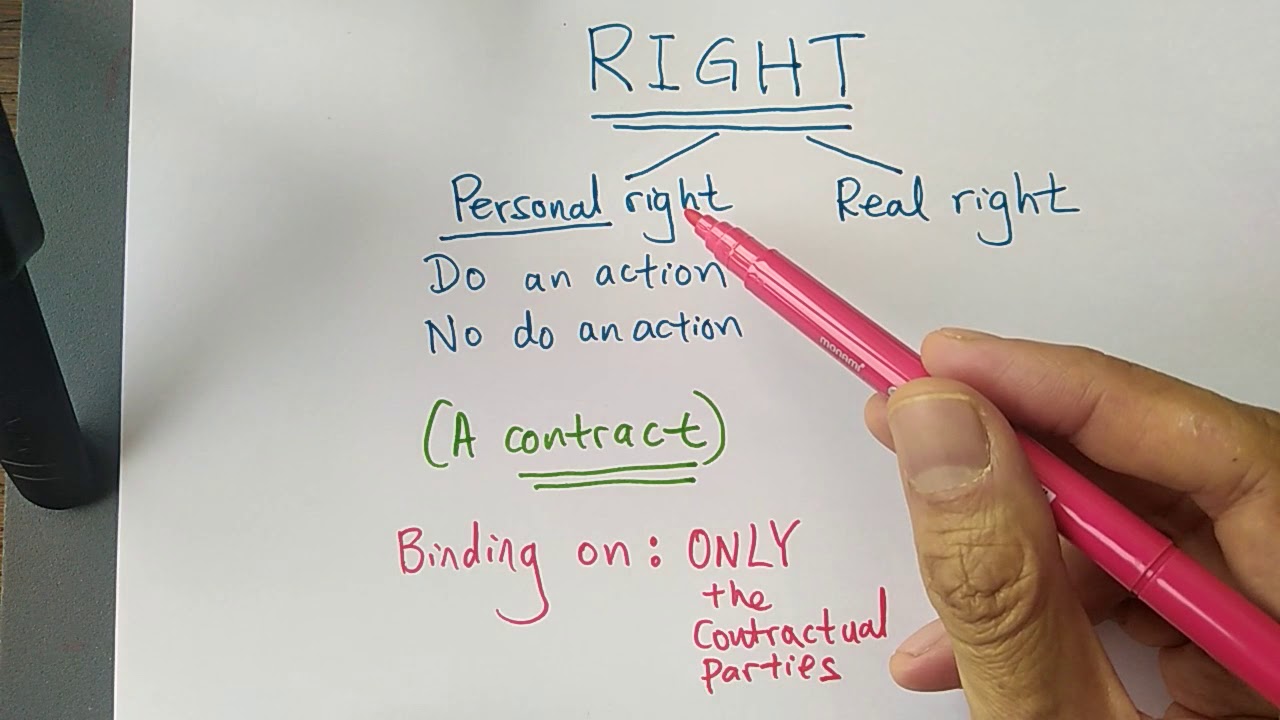
Real rights are legal privileges granted to individuals, organizations or institutions to control, use, develop, or enjoy a particular property. These rights are protected by the law, and their enforcement is essential to maintain the stability and order in any society. In this blog post, we will discuss how real rights are enforced in different scenarios, and what legal actions can be taken if these rights are infringed.
The Role of Real Estate Registries in Enforcing Real Rights
Real estate registries are essential governmental organizations that play a critical role in enforcing real rights. Their primary function is to maintain records of all types of property transactions and ownership rights. A real estate registry helps to protect legitimate claims to property by recording and recognizing individuals or organizations with legal ownership rights. Therefore, in the case of any disputes or infringements, the legal owner can produce a record of their rights to prove their legitimate claim.
Judicial Systems for Enforcing Real Rights
Judicial systems are responsible for interpreting and enforcing the law. In the case of an infringement of real rights, individuals, organizations or institutions can take legal action by filing a case in the court of law. The court will evaluate the evidence presented and decide whether the rights of the claimant have been violated or not. The judicial system provides a way for individuals or organizations to enforce their legal property rights and seek compensation in case their rights have been infringed upon.
Types of Legal Actions for Enforcing Real Rights
There are various types of legal measures that can be taken to enforce real rights. These include:
- Injunctions: Injunctions are court orders that prohibit a person or organization from engaging in a particular activity that may infringe on the claimant's rights.
- Replevin: Replevin is a process of retrieving lost or stolen property from an individual or organization that currently possesses it without legal rights.
- Quiet Title Actions: Quiet title actions are legal cases initiated to remove any doubts or disputes that may arise regarding a claimant's legal ownership of a property.
- Eminent Domain: Eminent domain is a legal right granted to the government to acquire private property for public use, upon payment of compensation to the owner.
Enforcement of Real Rights in Real Estate Transactions
Real rights are essential in real estate transactions such as purchases, sales, and leases. Without these rights, the transaction cannot proceed legally. The enforceability of real rights in such transactions depends on the documentation process. A legal agreement is required to ensure that the ownership rights are transferred from one party to another without any disputes or infringements. Therefore, individuals or organizations must engage legal counsel to ensure that their rights are well documented and protected.
Conclusion
In conclusion, real rights are crucial legal privileges that grant individuals, organizations or institutions the control, use, development or enjoyment of a particular property. The enforcement of these rights is essential to maintain stability in any society. The real estate registry and judicial systems play a critical role in enforcing these rights, and legal actions such as injunctions, replevin, quiet title actions, and eminent domain can be taken to protect legitimate claims to property. In any real estate transaction, the documentation process must ensure the transfer of ownership rights without any legal disputes or infringements.
