
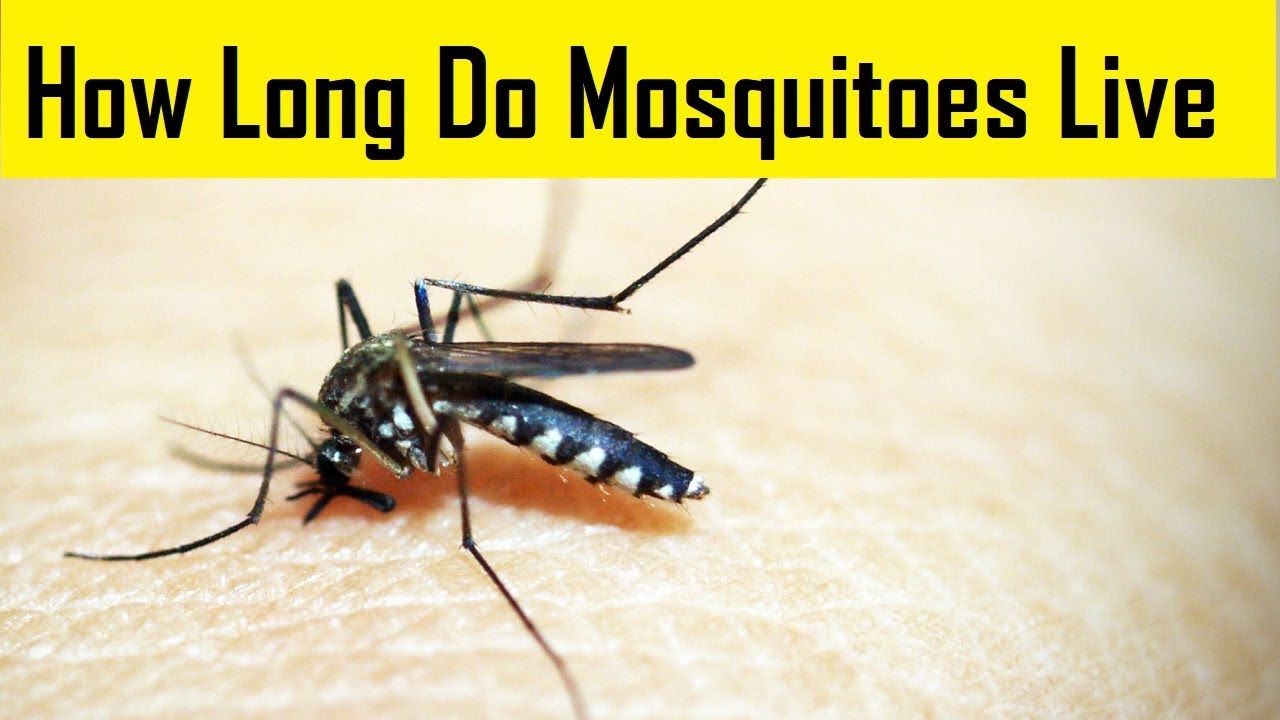
Have you ever wondered how long mosquitoes live? Mosquitoes are the most annoying insects, and they cause many diseases such as malaria, dengue fever, and yellow fever. Understanding the lifespan of mosquitoes can help us take preventative measures to keep them away from our homes and avoid the spread of disease. In this article, we will discuss the different stages of mosquito life and how long it takes for them to complete each stage.
Life Stages of a Mosquito
Mosquitoes have four distinct stages of their life cycle:
- Egg
- Larva
- Pupa
- Adult
Egg Stage
The egg stage is the first stage of a mosquito's life. Female mosquitoes lay their eggs in stagnant water, and it takes around 48 hours for the eggs to hatch. Mosquito eggs are usually laid in batches of 100-300 and can survive for up to five years without hatching, depending on environmental conditions.
Larva Stage
Once the mosquito egg hatches, it enters the larva stage. The larvae live in water and breathe through a tube at the surface of the water. They feed on algae and other organic matter in the water. The larva stage lasts for around 5-14 days, depending on the species and environmental conditions.
Pupa Stage
After completing the larva stage, the mosquito enters the pupa stage. During this stage, the mosquito is inactive and does not feed. It is in this stage that the mosquito develops into an adult. The pupa stage lasts for around 1-4 days, again depending on the species.
Adult Stage
The adult stage is the final stage of a mosquito's life cycle. Once the mosquito emerges from the pupa, it is an adult and can fly. The adult feeds on nectar and plant juices, and only the female bites humans and animals to obtain blood for egg production. The adult stage lasts for around 2-4 weeks, but some species can live up to six months.
Factors Influencing Mosquito Lifespan
Several factors can influence a mosquito's lifespan. These factors include:
- Species: Different mosquito species have different lifespans. For example, the Aedes albopictus species can live up to six months, while the Culex species typically only lives for two weeks.
- Environmental conditions: Mosquitoes thrive in warm, humid environments. High humidity levels and warm temperatures can prolong their lifespan.
- Sex: Female mosquitoes can live longer than male mosquitoes because they need to feed on blood to produce eggs.
- Food availability: Mosquitoes require food to survive. Availability of food sources such as nectar and blood can affect their lifespan.
Conclusion
In conclusion, the lifespan of a mosquito can vary depending on the species and environmental conditions. Understanding the different stages of a mosquito's life cycle can help us take preventative measures to control their populations and stop the spread of diseases. By eliminating stagnant water around our homes, using mosquito repellent, and wearing protective clothing, we can reduce our risk of mosquito-borne diseases and enjoy a mosquito-free environment.
