
Welcome to our blog about the required KVA to run a house. Many homeowners face challenges when it comes to selecting appropriate power supply for their homes. It can be a demanding task, especially if you are not familiar with the technical aspect of power generation and consumption. In this article, we will discuss the various factors that need to be considered when determining the right amount of KVA needed for your home.
Understanding KVA
KVA (kilovolt-ampere) refers to the unit of power in an alternating current (AC) electrical system. It is a measure of the total amount of power that an AC system can deliver. KVA takes into account both the voltage and the amperage of the electrical system.
The power consumption in your home is not constant. It fluctuates depending on the specific needs at a given time. For example, power consumption during peak hours is usually higher than off-peak hours. Hence, it is crucial to determine how many KVA your home needs at peak periods to avoid power overload and potential damages.
Determining the KVA Required for Your Home
The KVA needed for your home is dependent on several factors, such as:
Number of Appliances
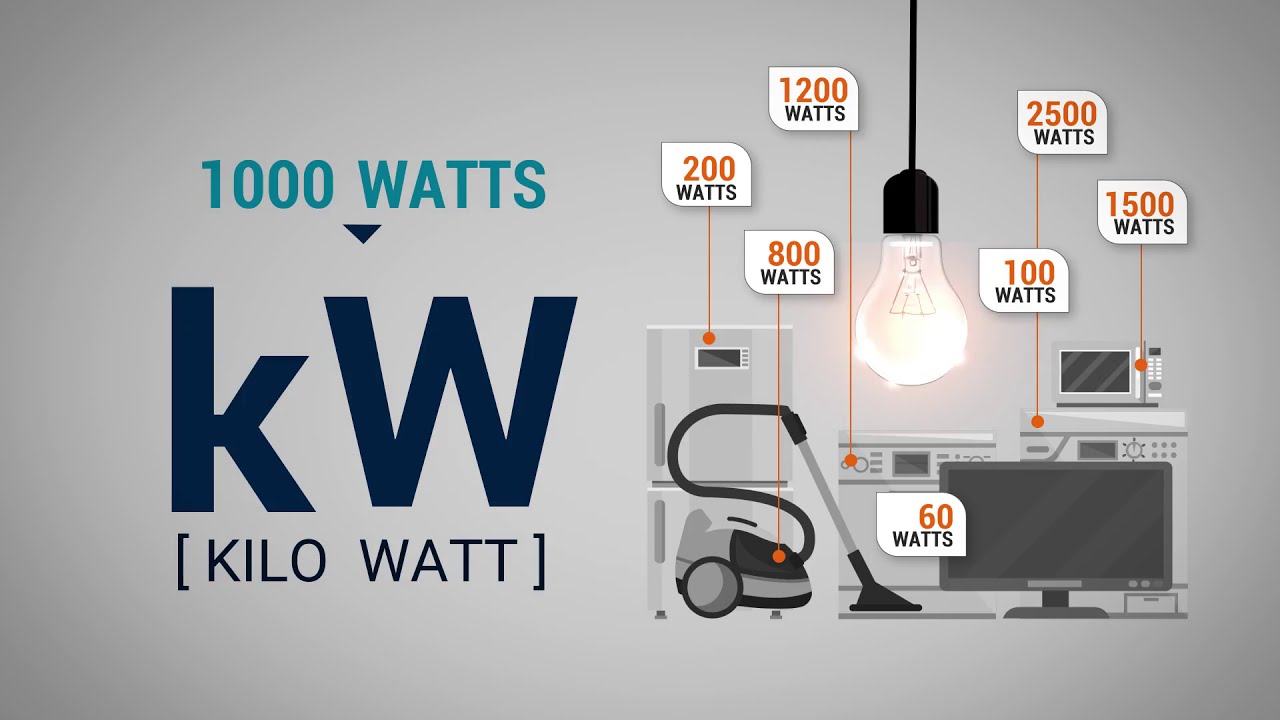
The number of electrical appliances in your home plays a significant role in determining the KVA required. It is essential to identify the appliances you use regularly and each appliance's power rating. This information can be obtained from the manufacturer's label or from the manual that comes with the appliance.
Using tables can make it easier to collate this information. For example:
| Appliance | Power Rating (Watts) |
|---|---|
| Television | 200 |
| Air Conditioner | 1000 |
| Refrigerator | 600 |
| Microwave | 900 |
Usage of Appliances
You should also consider the duration and frequency of appliance use. Appliances that are used for longer periods use more power, and devices that require frequent use may consume more electricity than others. This information will help you calculate the total power that your system requires.
Location
The location of your home is also a crucial factor to consider when determining the KVA required. It is important to note that areas with unreliable power supply or frequent power outages may require more KVA than locations with stable power supply.
Budget
Finally, your budget is another vital factor to consider. It may not be possible to get the exact KVA that perfectly suits your needs. You may have to make compromise and choose a lower KVA capacity that is within your budget.
Conclusion
Choosing the appropriate KVA requirement for your home is essential for adequate power supply and to prevent power overload. You need to consider factors such as the number and usage of appliances, location, and budget before choosing the right KVA capacity.
We hope that this article has provided you with the necessary insight to make an informed decision when it comes to choosing the appropriate KVA for your home.
