
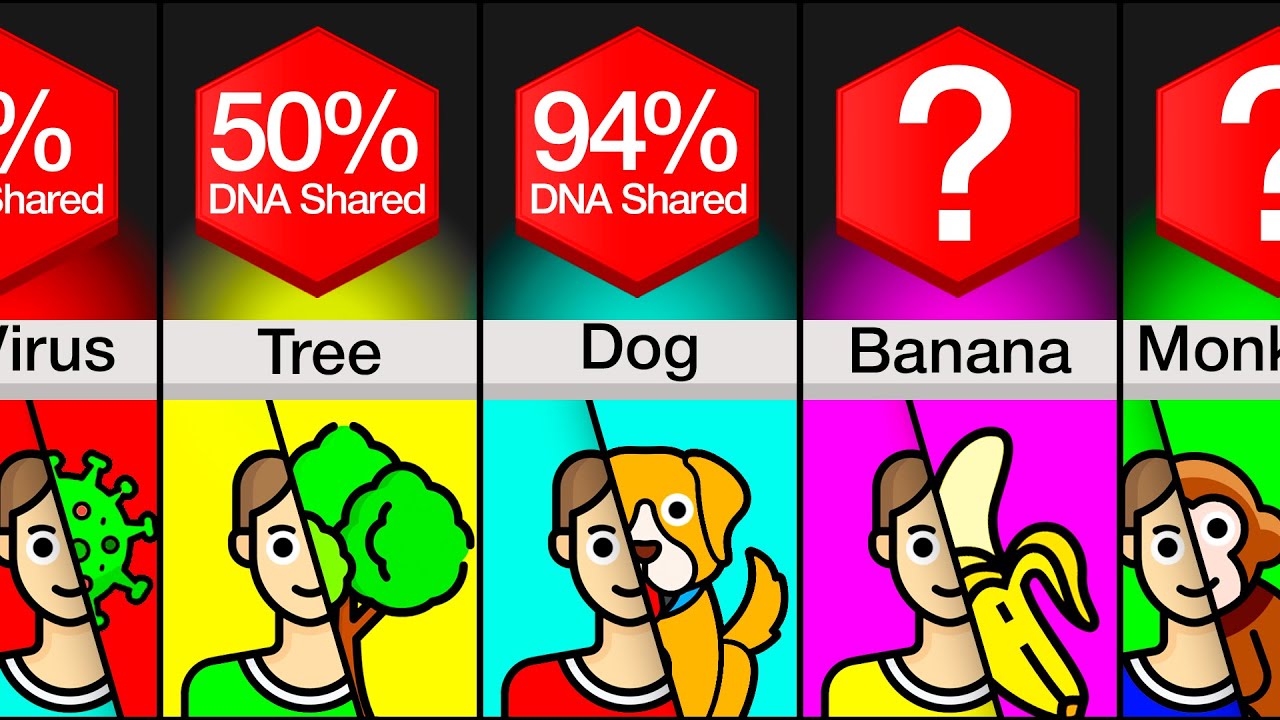
Welcome to my blog post about the amount of DNA in living organisms!
What is DNA?
DNA, or deoxyribonucleic acid, is a molecule that contains the genetic instructions used in the development and function of all living organisms.
How much DNA do living organisms have?
The amount of DNA in living organisms varies widely. Some organisms have relatively small amounts of DNA, while others have much larger amounts.
Prokaryotes
Prokaryotes, or single-celled organisms without a nucleus, typically have a small amount of DNA. Most bacteria, for example, have only one circular chromosome containing less than 5 million base pairs of DNA.
Eukaryotes
Eukaryotes, or organisms with a nucleus, have more DNA than prokaryotes. But even among eukaryotes, the amount of DNA can vary greatly.
Plants
Plants can have a large amount of DNA. Some species have as much as 150 billion base pairs of DNA, while others have less than 100 million.
Animals
Animals also vary widely in the amount of DNA they have. For example, humans have around 3 billion base pairs of DNA, while some species of salamander have over 40 times more DNA than humans.
Why do some organisms have more DNA than others?
The amount of DNA in an organism does not necessarily correlate with its complexity. Some simple organisms, such as amoebas, have much more DNA than more complex organisms like humans.
So why do some organisms have more DNA than others? One reason is that some organisms have more repetitive, non-coding DNA than others. This type of DNA does not contain genes, but it still takes up space in the genome.
Another reason is that some organisms have undergone gene duplication events, leading to multiple copies of the same gene or genes with similar functions.
Conclusion
In conclusion, the amount of DNA in living organisms varies greatly and is not necessarily related to complexity. While some organisms have evolved to have more DNA than others, the reasons for this variation are still not fully understood.
Thank you for reading my blog post!
