
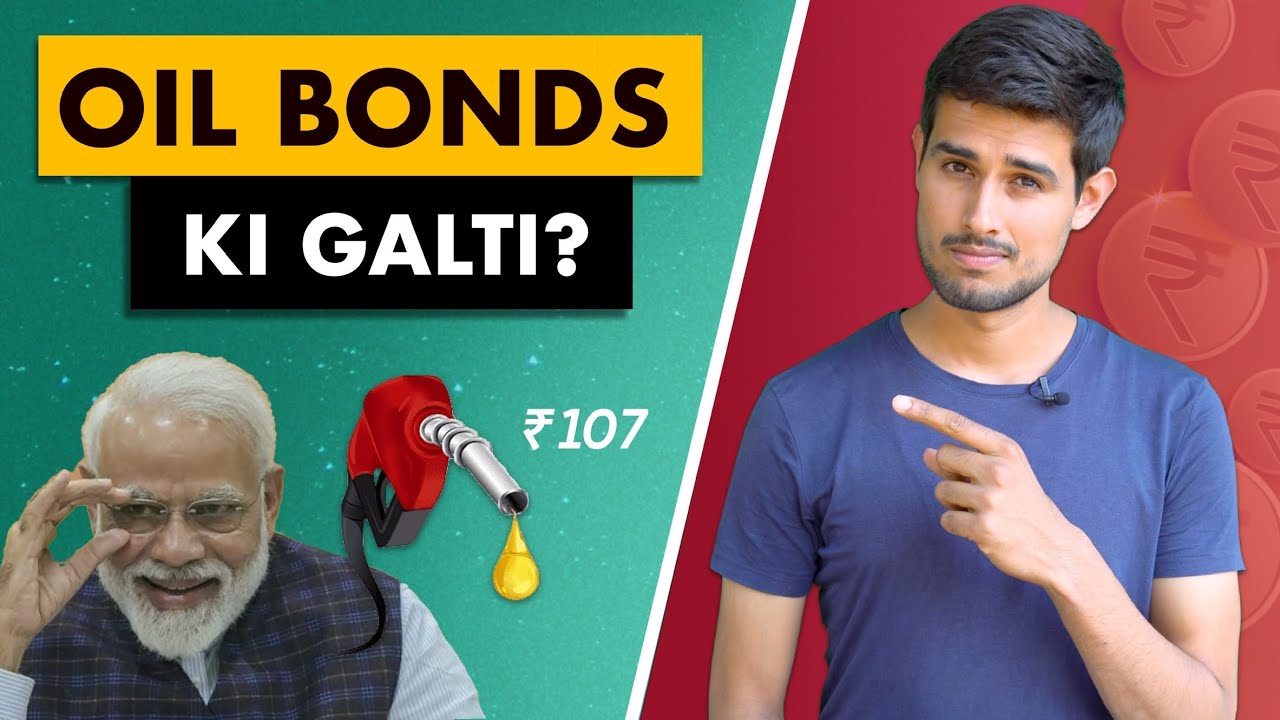
With the recent fluctuations in the global crude oil market, fuel prices seem to be on an upward trend. People all over the world are patiently waiting to see what the future holds for the petrol prices.
Factors contributing to the hike
The increase in petrol prices can be attributed to several factors:
- Global oil agreements: Various countries from the Organization of Petroleum Exporting Countries (OPEC) have come together to stabilize the market by cutting down production, thereby raising the price of the commodity.
- Exchange rate: Fluctuations in exchange rates can influence the price of petrol since the production of oil is predominantly in dollars.
- Taxes and Levies: The taxes and levies imposed by the government also contribute to the rise in petrol prices.
- Transportation Costs: The cost of transporting the fuel from the refinery to the petrol stations and distributors is also a significant factor.
Global Prices
The hike in petrol prices is not limited to a specific region or country but is a global phenomenon. Several countries worldwide are experiencing an increase in fuel prices. For instance, in September 2019, Saudi Arabia experienced drone attacks on its oil refineries, leading to a massive increase in petrol prices worldwide.
Asian Markets
In Asia, petrol prices have been on the rise since early 2021. In countries like India, for example, average petrol prices have increased by approximately Rs 10 per litre since the beginning of the year, reaching an all-time high of INR 96 per litre in many major cities.
European Markets
Europe has also been affected by the hike in prices, with some countries hitting record highs. In March 2021, the UK saw prices rise above 130p per litre, the highest level since August 2019. The reason for this increase is due to supply concerns caused by the Suez Canal blockage and the Covid-19 pandemic.
Conclusion
The increase in petrol prices is a matter of concern for many people, especially since it has a significant impact on the economy as a whole. In response, the government must come up with a way to ease the burden on the ordinary person. Although it is impossible to control global oil prices, the government can reduce the taxes and levies on petrol to cushion its citizens from the adverse effects of the petrol price increment.
