
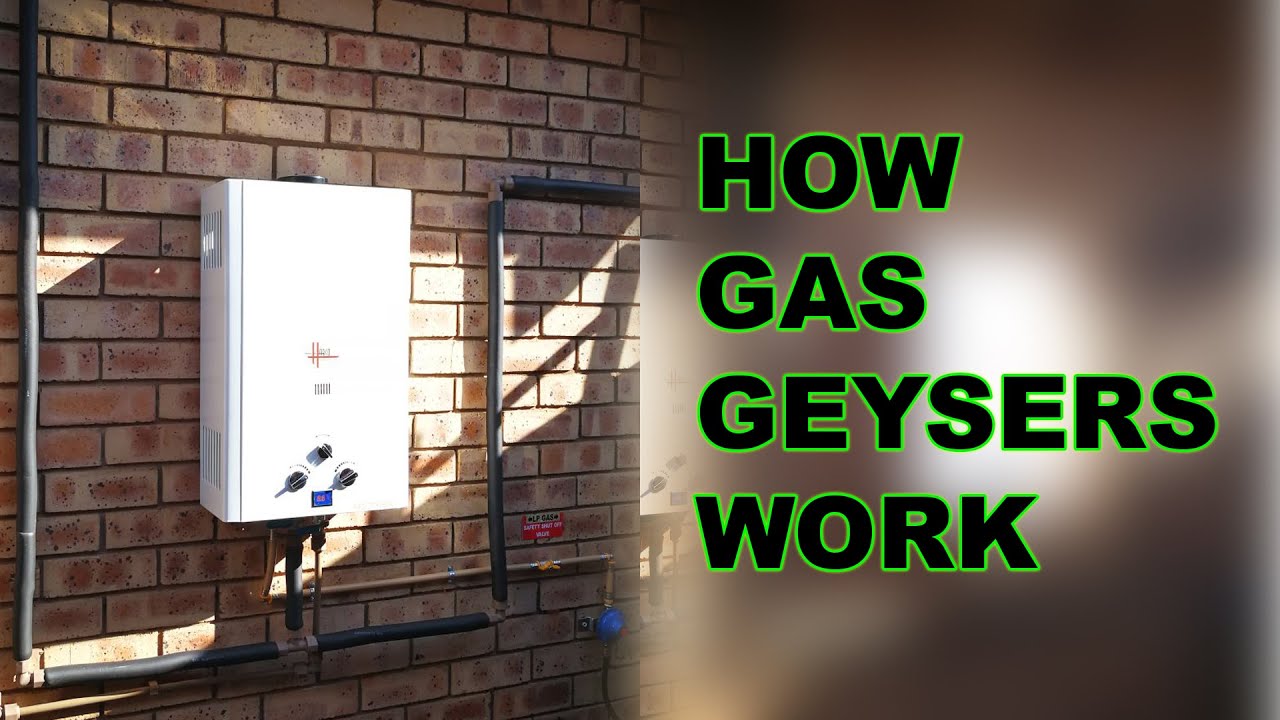
Gas geysers provide hot water instantly and they are a convenient and cost-effective solution to the traditional electric geysers. In this article, we will guide you through the steps to install a gas geyser in your home. Follow these steps carefully to ensure safe installation and proper functioning of the geyser.
Before You Install
Before installing the gas geyser, there are several things that you should consider. Firstly, you need to determine the location where you want to install the geyser. This should be a well-ventilated area, preferably outside the house or in a bathroom with an external wall.
You also need to ensure that the gas supply is near the installation site. If there is no existing gas connection, you will need to get it installed by a certified gas installer. Furthermore, you need to ensure that the water supply is adequate, and the water pipes are in good condition to avoid leaks.
Tools and Materials
Before starting the installation process, make sure you have the following tools and materials:
- Gas geyser
- Gas regulator
- Gas hose
- Pipe wrench
- Teflon tape
- Screwdriver
- Drilling machine and drill bits
Installation Steps
Step 1: Turn off the water and gas supply
Before starting the installation, turn off the water and gas supply to the house to avoid any accidents. You can locate the main water valve near the water meter and the gas valve near the gas meter.
Step 2: Select the installation location
Select a location that will not be affected by direct sunlight or heavy rain. The geyser should be installed on a stable wall using mounting brackets.
Step 3: Mounting the geyser
Using a drilling machine, drill holes in the wall for the mounting brackets. Secure the brackets on the wall using suitable screws and bolts.
Step 4: Connect the Water Supply
Attach the water inlet and outlet pipes to the appropriate connections on the geyser. Make sure the pipes are properly sealed using Teflon tape to prevent leakage.
Step 5: Connect the Gas Supply
Connect the gas hose to the gas inlet on the geyser and then connect the other end to the gas regulator. Attach the regulator to the gas cylinder or supply line and turn on the gas supply.
Step 6: Test the Geyser
Once you have completed the installation, turn on the water supply and check for any leaks from the water pipes. Next, turn on the gas supply and test the igniter and burner. Check for any gas leaks using a soap solution.
If you notice any leakage or damage during any step of the installation process, stop immediately and call a professional technician to inspect and repair it.
Conclusion
Installing a gas geyser can be a bit challenging, but with proper guidance and caution, you can do it yourself. However, if you are unsure about any of the installation steps, it is recommended that you seek professional assistance.
The above-mentioned steps will help you to install a gas geyser at your home safely and with ease. With a properly installed and maintained geyser, you can enjoy a constant supply of hot water at your convenience, and save on your energy bills as well.
