
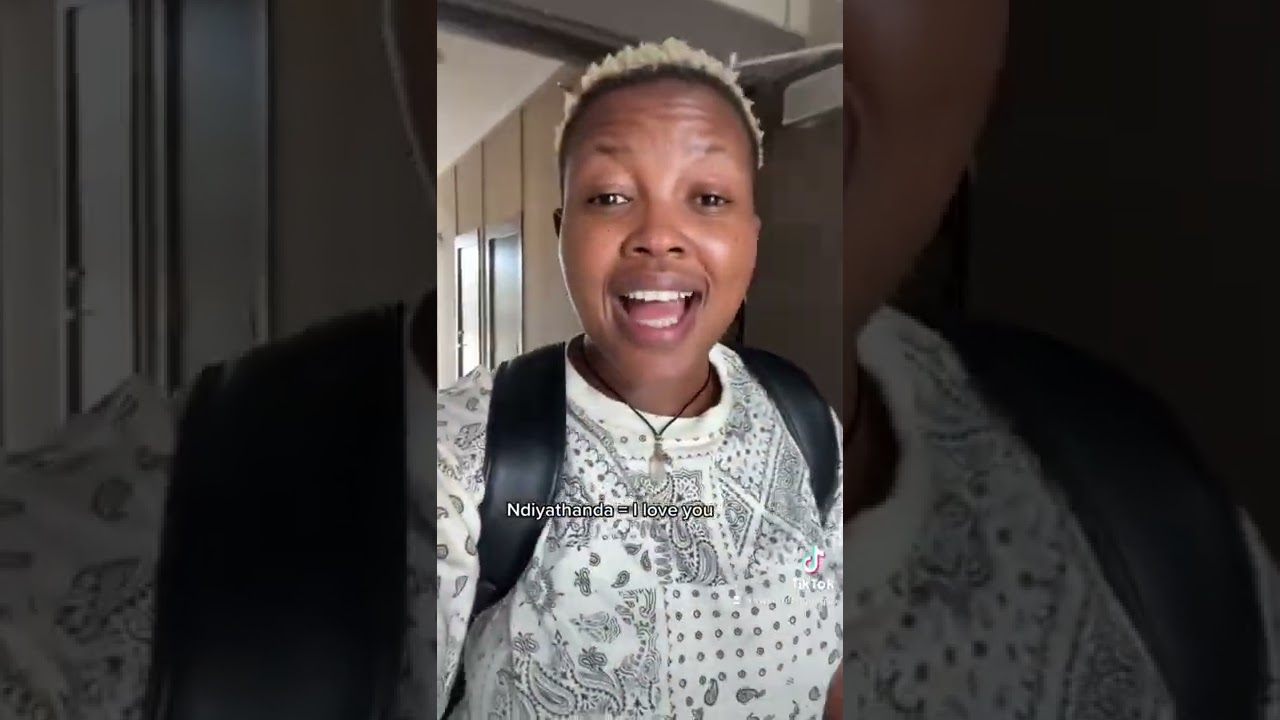
Welcome to this article where we will be discussing how to say “I Love You” in Xhosa. Xhosa is one of South Africa’s official languages and is spoken predominantly in the Eastern Cape Province. Let’s dive right into it!
Why Learn How To Say “I Love You” In Xhosa?
One may argue that learning how to express love in a different language adds another layer of expression and helps to strengthen the emotions behind the phrase. Moreover, Xhosa is a beautiful language that carries rich culture and heritage, making it all the more worthwhile to learn. Also, if you have someone special in your life who speaks Xhosa, expressing love in their native language will undoubtedly bring a smile to their face.
The Phrase “I Love You” In Xhosa
The phrase “I Love You” in Xhosa is “Ndiyakuthanda”. It is pronounced as “N-dee-ya-koo-than-da”. It’s essential to get the pronunciation right, so let's break it down:
“Ndiya”
The “ndiya” part of the phrase means “I”. This is a respectful way to say “I” and is important to use in the phrase “I love you”. It is pronounced as “n-dee-ya”.
“Kuthanda”
The “kuthanda” part of the phrase means “Love”. It is pronounced as “koo-than-da”.
Complete Phrase
When we put it all together, “Ndiyakuthanda” means “I love you”.
Other Xhosa Phrases That Express Love
For those interested in learning more Xhosa phrases relating to love, here are a few additional phrases:
- “Ndifuna ukuba nawe” - I want to be with you
- “Ndicinga ngawe” - I am thinking of you
- “Ndikuthandile” - I love you (a stronger version of “ndiyakuthanda”)
Conclusion
Learning how to say “I Love You” in Xhosa is a beautiful way to express your love and appreciation for someone special. Knowing how to say it in their native language adds depth and emotion to the phrase, emphasizing just how much you care. Moreover, it's a fantastic way to embrace and celebrate the rich culture and heritage of Xhosa speakers.
