
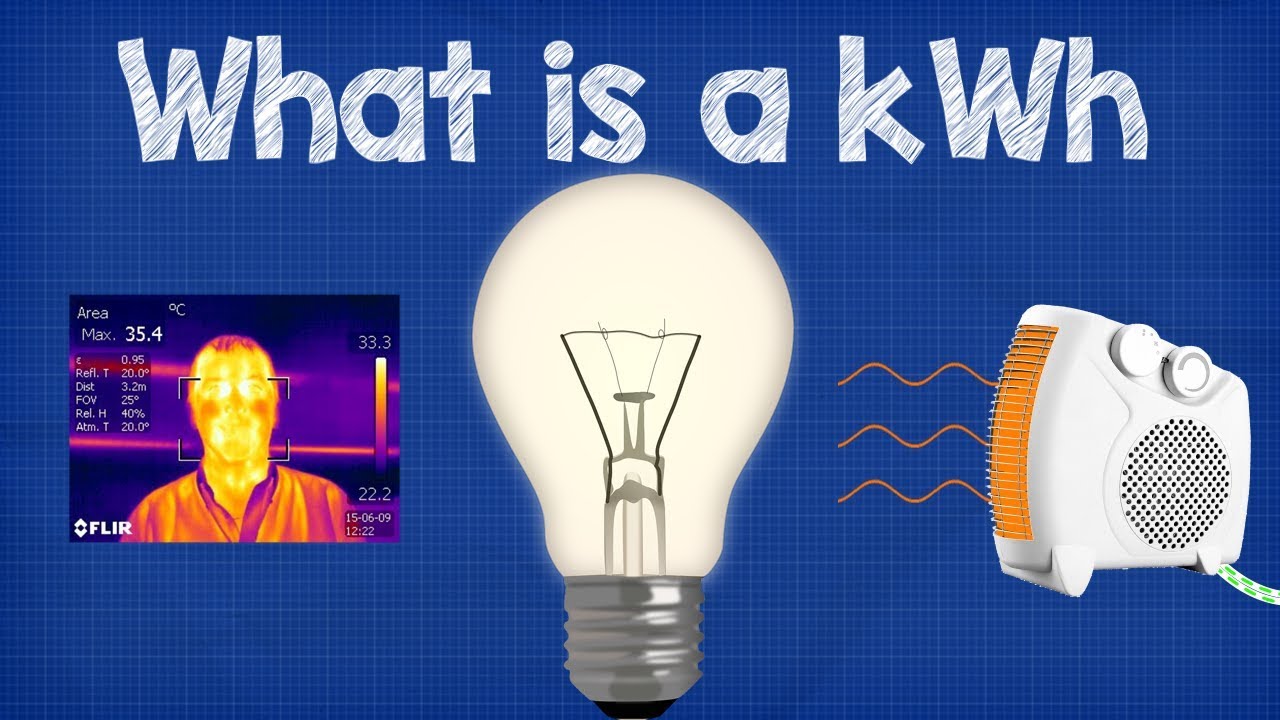
Calculating the tariff for electricity can be a challenge, especially if you are not familiar with the process. However, it is an essential skill if you want to save money on your electricity bill. By understanding how to calculate your electricity tariff, you can make informed decisions about how to reduce your energy usage and lower your bills.
What is a tariff?
A tariff is a price structure that determines how much you pay for a particular service, in this case, electricity. It is important to note that the tariff structure can vary depending on where you live and who your electricity provider is.
How is the tariff calculated?
The tariff for electricity is usually calculated based on a few different factors. These include:
- Unit rate: This is the price you pay for each unit of electricity you consume. The unit rate can vary depending on the time of day and the season.
- Standing charge: This is a fixed fee that you pay regardless of how much electricity you use. It covers the cost of maintaining the electricity network.
- Value-added tax (VAT): This is a tax that is added to your electricity bill. The rate of VAT can vary depending on the country you live in.
The formula for calculating your electricity tariff is:
Electricity bill = (number of units consumed x unit rate) + standing charge + VAT
Let's break down each of these components in more detail.
Number of units consumed
The number of units you use is the amount of electricity you consume in kilowatt-hours (kWh). You can find the number of units you have used on your bill statement.
Unit rate
The unit rate is the cost of each unit of electricity you consume. The unit rate can vary depending on the provider and the time of day. Some energy providers offer different unit rates depending on the time of day or if you have a smart meter installed.
Standing charge
The standing charge is a fixed fee that covers the cost of maintaining the electricity network. It is charged daily or monthly, regardless of how much electricity you use.
Value-added tax (VAT)
The VAT is a tax that is added to your electricity bill. The rate of VAT can vary depending on the country you live in. In the UK, for example, the VAT rate for domestic electricity is 5%.
Example:
Let's say you live in the UK and your electricity provider charges you:
- Unit rate: 14p per kWh
- Standing charge: 17p per day
- VAT: 5%
If you used 300 units of electricity in a month, your bill would be calculated as:
Electricity bill = (300 units x 14p) + (30 days x 17p) + (5% of total bill)
So your total bill for the month would be:
Electricity bill = (4200p) + (510p) + (215.5p)
Electricity bill = 4925.5p or £49.26
Remember, this is just an example, and your electricity tariff may be different depending on your provider and your location.
Tips for reducing your electricity bill
If you want to save money on your electricity bill, there are several things you can do:
- Turn off lights and appliances when not in use.
- Use energy-efficient lightbulbs and appliances.
- Take advantage of off-peak hours if your energy provider offers lower unit rates during those times.
- Consider installing solar panels or other renewable energy sources in your home.
By following these tips and understanding how your electricity tariff is calculated, you can lower your energy usage and save money on your electricity bill.
