
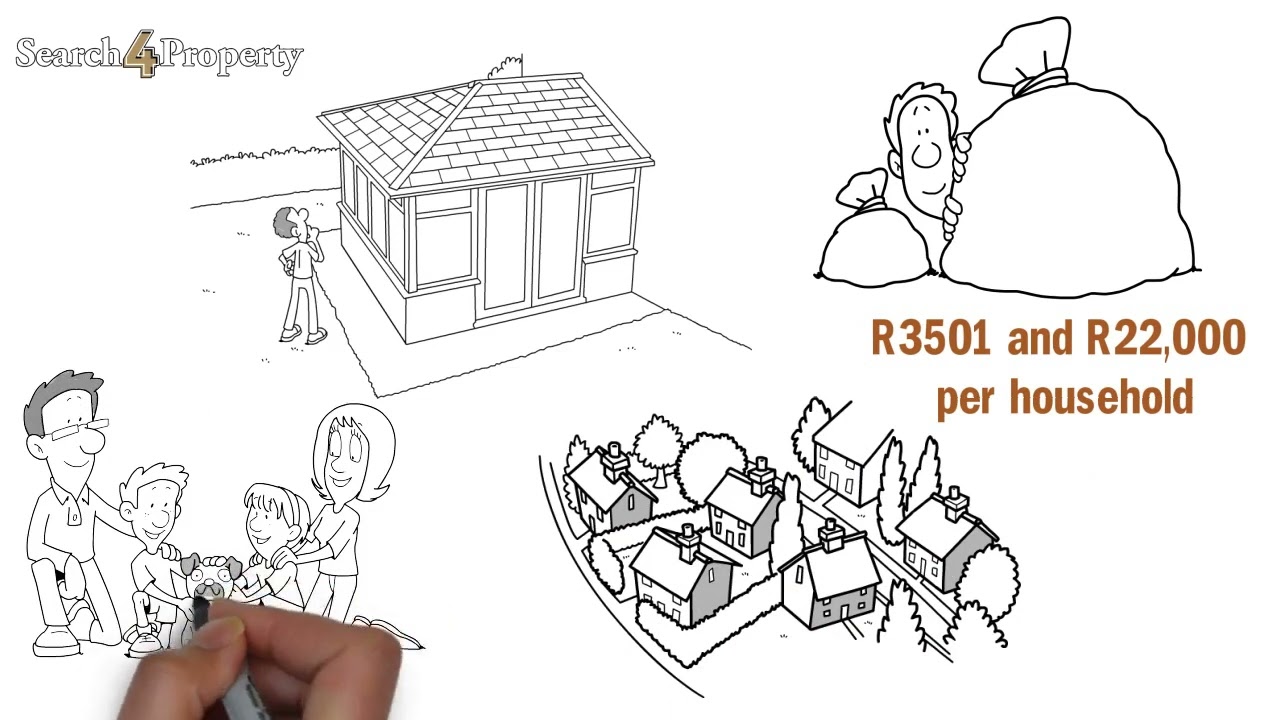
South Africa has long been plagued with housing issues, from the legacy of apartheid to a rapidly increasing population. However, the government has made strides in addressing this problem over the years, implementing a variety of programs and policies that have contributed to the development of affordable housing for those in need.
The Reconstruction and Development Programme (RDP)
One of the earliest initiatives of the post-apartheid government was the Reconstruction and Development Programme (RDP), which aimed to provide housing, services, and job opportunities to millions of South Africans living in poverty. Through this program, the government built more than 1.5 million houses, providing shelter for nearly 7 million people.
RDP Achievements
- Over 1.5 million houses built since 1994
- Shelter for nearly 7 million people
- Provided services and job opportunities to millions
The National Housing Subsidy Scheme
In 1996, the government launched the National Housing Subsidy Scheme, which provides a subsidy to low-income households to help them purchase or improve their homes. The subsidy amount is based on the applicant's income, with a maximum amount of R60,000. This program has helped more than 1.2 million households obtain housing.
National Housing Subsidy Scheme Benefits
- Provides subsidies to low-income households.
- Subsidy amount based on income.
- More than 1.2 million households have benefited.
Another initiative of the government is the Social Housing Programme, which provides affordable rental housing to low-income households. The program aims to improve access to housing for those who do not qualify for a housing subsidy or loan, but still cannot afford to purchase a home on the open market.
- Provide affordable rental housing to low-income households.
- Improve access to housing for those who do not qualify for a housing subsidy or loan.
The Finance-Linked Individual Subsidy Programme (FLISP)
The Finance-Linked Individual Subsidy Programme (FLISP) helps individuals with a combined household income of up to R22,000 per month to purchase a home. The program provides a subsidy of up to R87,000 to eligible applicants to assist with the purchase of an affordable home.
Finance-Linked Individual Subsidy Programme Benefits
- Assists individuals with a combined household income of up to R22,000 per month to purchase a home.
- Subsidy of up to R87,000 provided to eligible applicants.
Conclusion
The South African government has made significant efforts to address the issue of housing in the country, particularly for those living in poverty. Through initiatives such as the RDP, National Housing Subsidy Scheme, Social Housing Programme, and FLISP, the government has assisted millions of households in obtaining affordable housing. While there is still much work to be done, these programs have made a significant impact and continue to be a priority for the government.
