
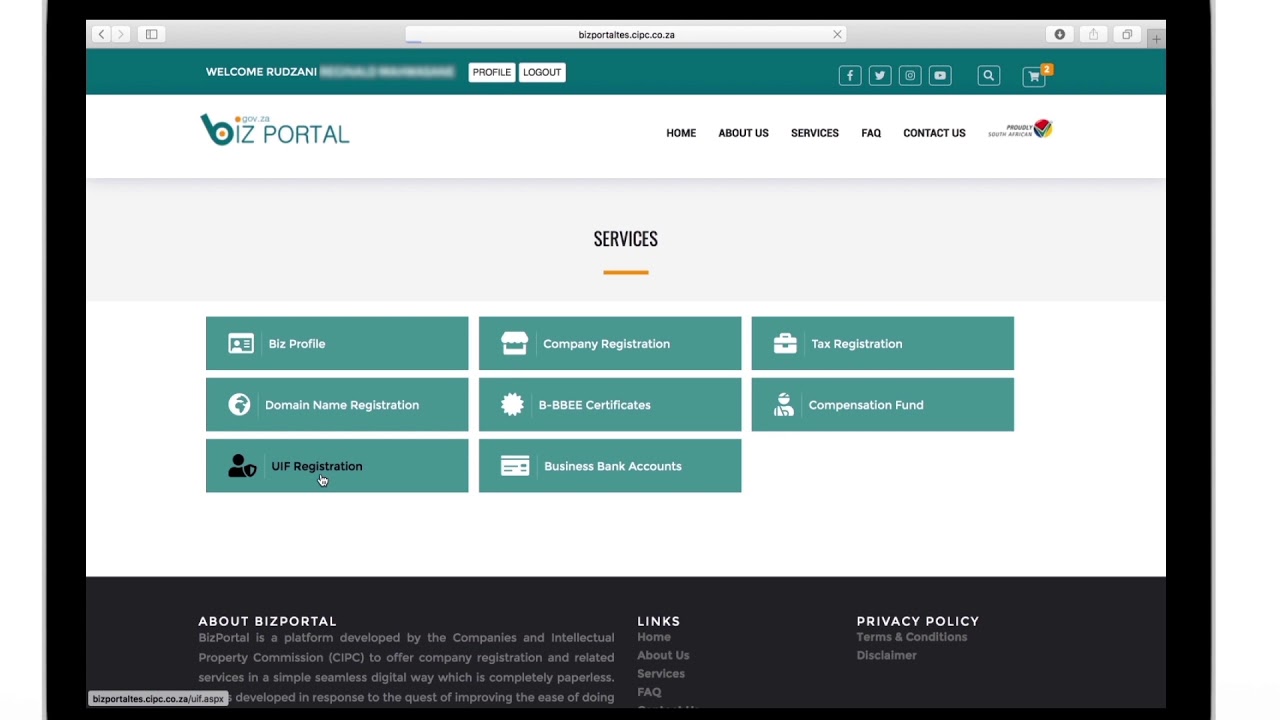
Welcome to our comprehensive guide on how to register for COIDA, the Compensation Fund for Occupational Injuries and Diseases Act of South Africa.
What is COIDA?
The COIDA Act requires all employers in South Africa to register with the Department of Employment and Labour and contribute annually to the Compensation Fund. The Compensation Fund provides compensation to workers who are injured or contract diseases due to their work environment.
Who Needs to Register for COIDA?
All employers in South Africa are required to register for COIDA. This includes companies, non-profit organisations, and public entities.
How to Register for COIDA?
The process of registering for COIDA is relatively straightforward. Here are the steps:
- Step 1: Obtain the COID W.AS.2 form - The form can be downloaded online or obtained from your nearest Department of Employment and Labour office. Alternatively, you can request the form via post or email.
- Step 2: Fill in the form completely - Provide accurate and up-to-date information about your company, including details of your operations and the number of employees you have.
- Step 3: Submit the form - Submit the completed form to the nearest Department of Employment and Labour office, along with any required supporting documents, such as proof of incorporation or identity documents.
- Step 4: Wait for confirmation - The Department of Employment and Labour will process your application and send you a letter of confirmation. You should receive your confirmation within a few weeks of submitting your application.
What are the Consequences of not Registering?
If you fail to register for COIDA, you will be in contravention of the law. The Department of Employment and Labour has the power to impose hefty fines and penalties on companies that fail to comply with the COIDA Act.
Conclusion
Registering for COIDA is a legal requirement for all employers in South Africa. By following the simple steps outlined in this guide, you can ensure that your company is compliant with the COIDA Act and that your employees are protected.
