
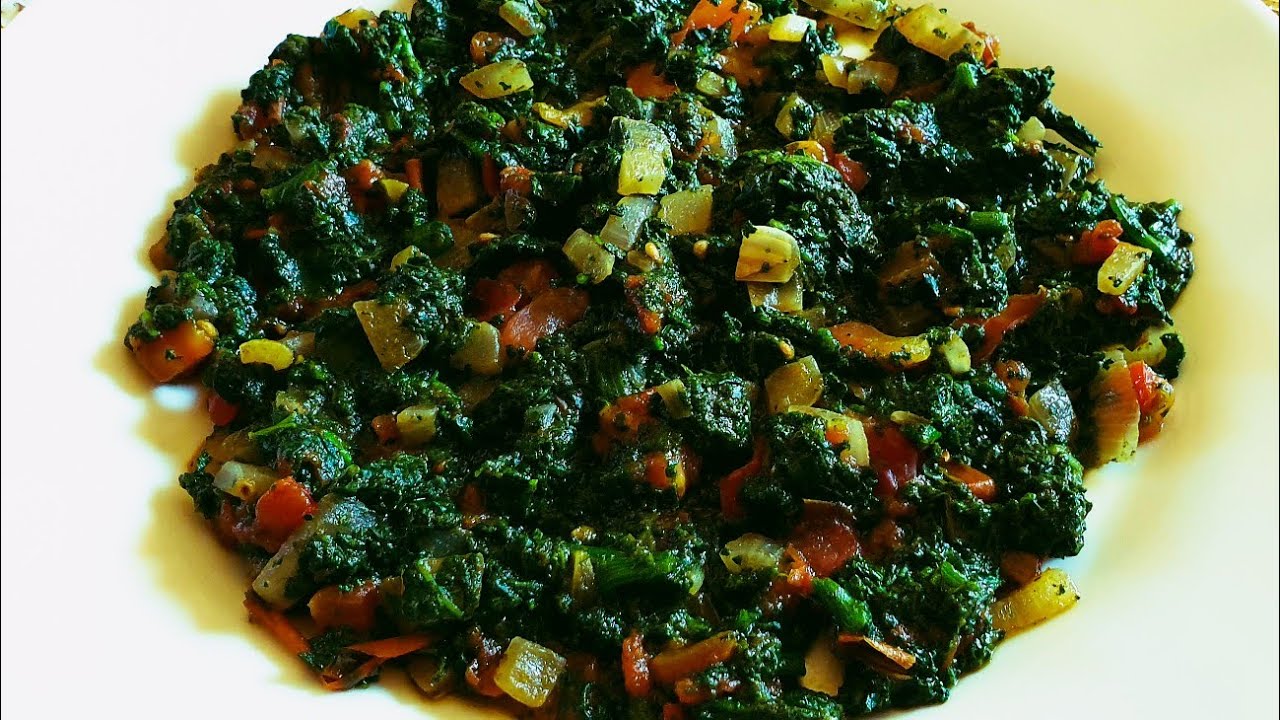
Pumpkin Leaves: A Nutritious and Delicious Alternative
Pumpkin leaves are a nutritious and delicious vegetable that can be found in many parts of the world. They are a great source of vitamins A and C, iron, and calcium, making them a healthy addition to any diet. Pumpkin leaves are also versatile, and can be cooked in a variety of ways. In this article, we will explore how to cook pumpkin leaves, including some popular recipes and preparation methods.
Choosing the Right Pumpkin Leaves
When cooking with pumpkin leaves, it is important to choose young, tender leaves. These leaves will be smaller and more tender than older leaves, which can be tough and unpleasant to eat. Look for leaves that are bright green in color and free of blemishes or insect damage. If you are picking your own leaves, be sure to harvest them in the morning when they are most tender.
Preparing Pumpkin Leaves
Before cooking with pumpkin leaves, you will need to remove the tough stems and wash the leaves thoroughly. To do this, hold the stem of a leaf and use a sharp knife to slice along either side of the stem. Discard the stems and rinse the leaves under cold water to remove any dirt or debris. You can also soak the leaves in a bowl of cold water to help loosen any dirt or sand that may be stuck to them.
Cooking Methods
There are several ways to cook pumpkin leaves, including boiling, frying, and steaming. Here are some popular methods:
Boiling
Boiling is the most common method of cooking pumpkin leaves. To boil pumpkin leaves, simply bring a pot of water to a boil and add the leaves. Cook for 3-5 minutes, or until the leaves are tender. Drain the leaves and season with salt and pepper to taste. You can also add onions, garlic, or other seasonings for added flavor.
Frying
Fried pumpkin leaves are a tasty and crispy treat. To fry pumpkin leaves, heat up some oil in a frying pan and add the leaves. Fry until they are crispy and golden brown, then remove from the pan and place on a paper towel to drain any excess oil. Season with salt and pepper to taste.
Steaming
Steaming is a great way to retain the nutrients and flavor of pumpkin leaves. To steam pumpkin leaves, fill a pot with water and place a steamer basket inside. Bring the water to a boil, then add the pumpkin leaves to the steamer basket. Cover with a lid and steam for 5-7 minutes, or until the leaves are tender. Season with salt and pepper to taste.
Recipes
Here are two popular recipes for cooking pumpkin leaves:
Pumpkin Leaves and Peanut Butter Stew
Ingredients:
- 1 lb pumpkin leaves
- 2 cups chicken or vegetable broth
- 1/2 cup peanut butter
- 1 onion, chopped
- 2 garlic cloves, minced
- 1 tsp smoked paprika
- 1 tsp cumin
- Salt and pepper, to taste
Directions:
- In a large pot, sauté the onions and garlic until soft.
- Add the broth, peanut butter, smoked paprika, and cumin. Stir until the peanut butter is melted.
- Add the pumpkin leaves and stir to coat in the broth mixture.
- Cover the pot and simmer for 10-15 minutes, or until the pumpkin leaves are tender.
- Season with salt and pepper to taste.
Fried Pumpkin Leaves
Ingredients:
- 1 lb pumpkin leaves
- 1 cup all-purpose flour
- 1/2 cup cornmeal
- 1 tsp salt
- 1/4 tsp black pepper
- 1/4 tsp cayenne pepper (optional)
- 1 cup milk
- Oil for frying
Directions:
- In a large bowl, combine the flour, cornmeal, salt, black pepper, and cayenne pepper (if using).
- Add the milk and stir until a thick batter forms.
- Dip each pumpkin leaf into the batter, making sure it is fully coated.
- Heat up some oil in a frying pan over medium-high heat.
- Add the pumpkin leaves to the pan and fry until they are crispy and golden brown on both sides.
- Remove from the pan and place on a paper towel to drain any excess oil.
- Season with salt and pepper to taste.
Conclusion
Pumpkin leaves are a nutritious and delicious vegetable that are easy to cook and versatile in a variety of recipes. Whether you prefer to boil, fry, or steam your pumpkin leaves, they are sure to be a hit at your next meal. So why not give pumpkin leaves a try and discover a new favorite vegetable today?
